


The King of bistecca
Where to eat in Tuscany…
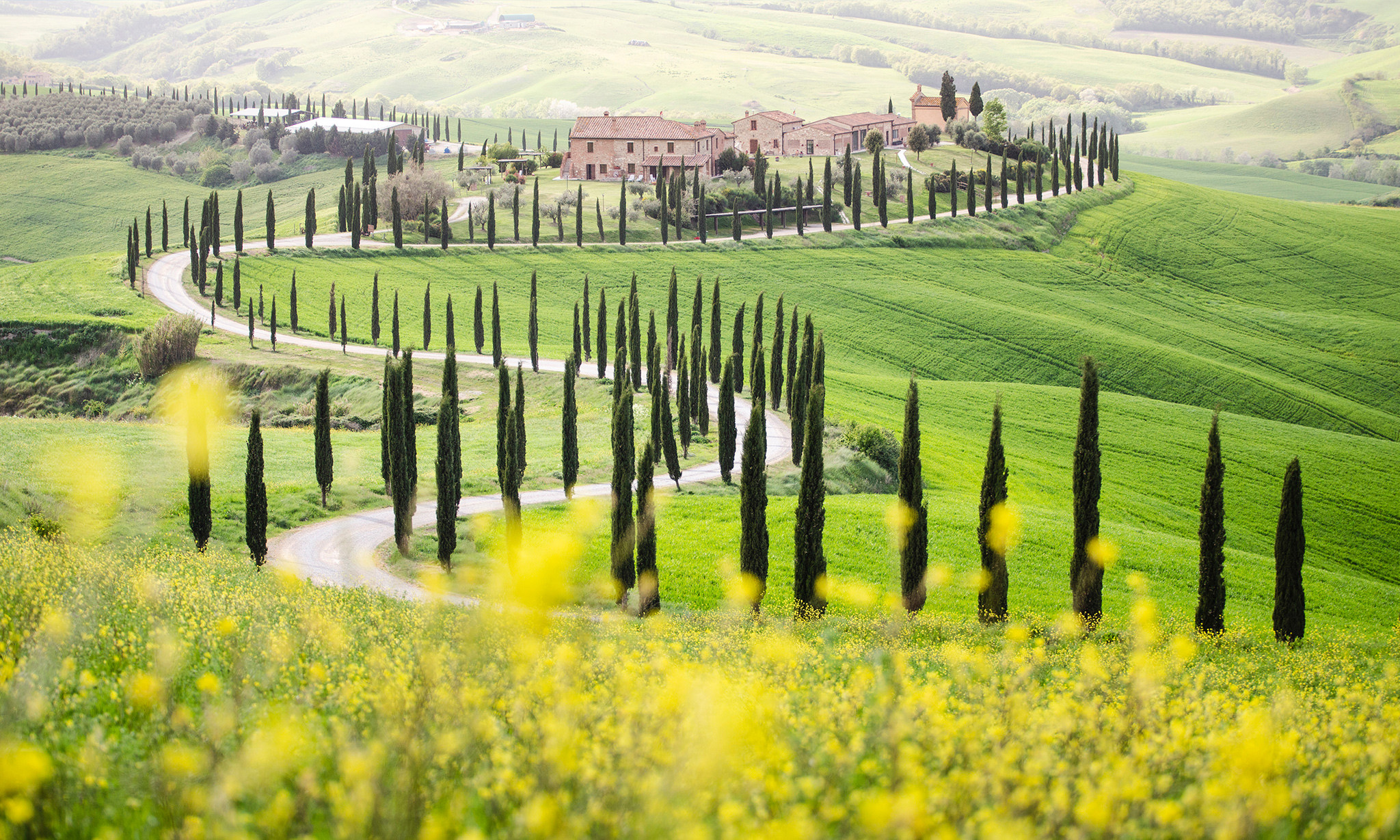
One of the most recurrent questions I receive as travel consultant is where to eat in Tuscany. Suggesting a place instead of another is never predictable, as it will depend on people expectations, tastes, nationality etc. We are used to slick food snaps and smart websites that offer studied look of restaurant and their dishes. However, behind a non-sexy appearance you can find the most authentic Tuscan vibe.
Just 30 years ago in Tuscany, before a major route connecting Florence to Pisa and Leghorn was built, a restaurant was positioned in the crossroad of trucks driving from the port to the highway connection in Pisa. A large parking lot allowed the big lorries to line up tidily, while their owners enjoyed a gorgeous lunch, before starting their long journeys. In fact, it was not unusual to say that the restaurants popular to truckers were the best to try in terms of quality-price value. A big block-letters-neon sign topped the building, evoking the name of the host. Antonio, the founder of the restaurant, used to manage a small tavern on one of the main roads between Pisa and Leghorn and the American Military Camp Darby. A mix of dialects, languages, accents and different cultures had driven Antonio to adapt his cuisine to the taste and expectations of locals. Pisanos and Livornesi, that have been historically one against the other, could find rest here and feel as they were only Tuscans. Americans could step into authentic Tuscany experience without stretching as far as Chianti, the cradle of Tuscany stereotypes.
Despite the proximity to the coast, the menu was typically based on meat and game products, which were very fashionable in the area. Hunting was a common hobby or activity for men up to 1980s and many restaurants could count on a wide variety of wildfowls and big game that local friend hunters delivered fresh every day for a large number of affectionate customers. Cooks were skillful mamas, masters of fresh pasta, sauces and any kind of local dish. Of course, the cuisine was nothing fancy or sophisticated, but unbelievably delicious and faithful to the original old peasant recipe. Portions had to be abundant to satisfy the corpulent demand of truckers.
A story with a happy ending…
However, time passed and when the so-called FIPILI was finally inaugurated in 1990, a big slice of traffic was automatically shifted to it, deviating from the original route. Hopefully, this is a happy ending story, that shows how the strength of family traditions and authentic tastes can rule over progress and modernity.
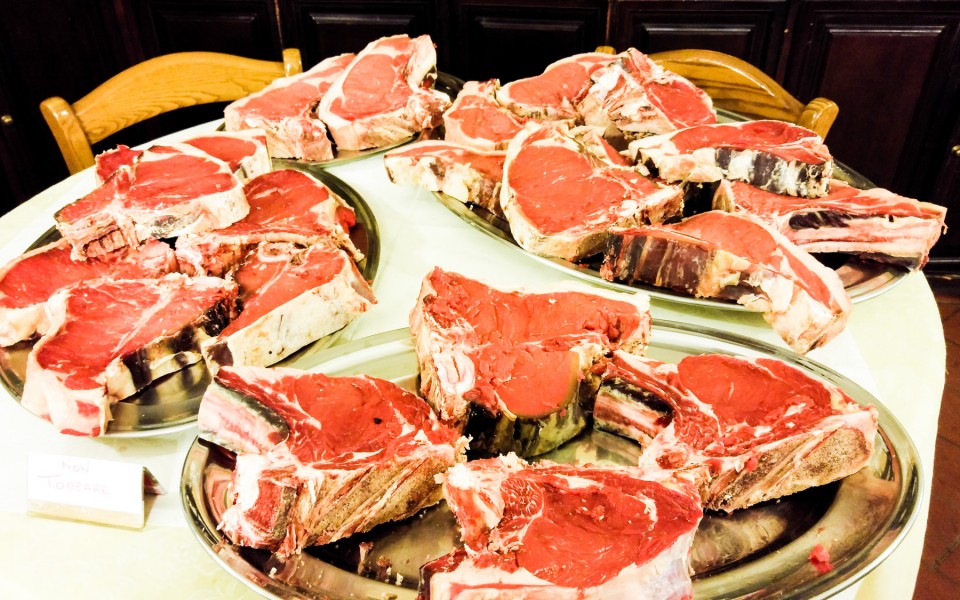
Even though the parking has restricted a bit to host more cars than trucks, the outdoor veranda has enlarged to welcome smokers in summer time, when the restaurant indoor are too hot, the ambient and cuisine has not changed a bit. As you enter the restaurant, the landlady is sitting as the queen on her throne at her cashier’s desk, that is a large squared seat opposed by a vintage register. She directs waiters’ orders and controls over the incoming and outgoing clients, without moving a pace. Right in front of her, her husband has taken the former owner footsteps, learning to grill and roast any kind of meat and game, but most of all fiorentina steaks. They are laid on a table luring the guests who can choose the one they wish to be cooked. Vegetarian stay away, this is heaven for real Tuscan meat-eaters!
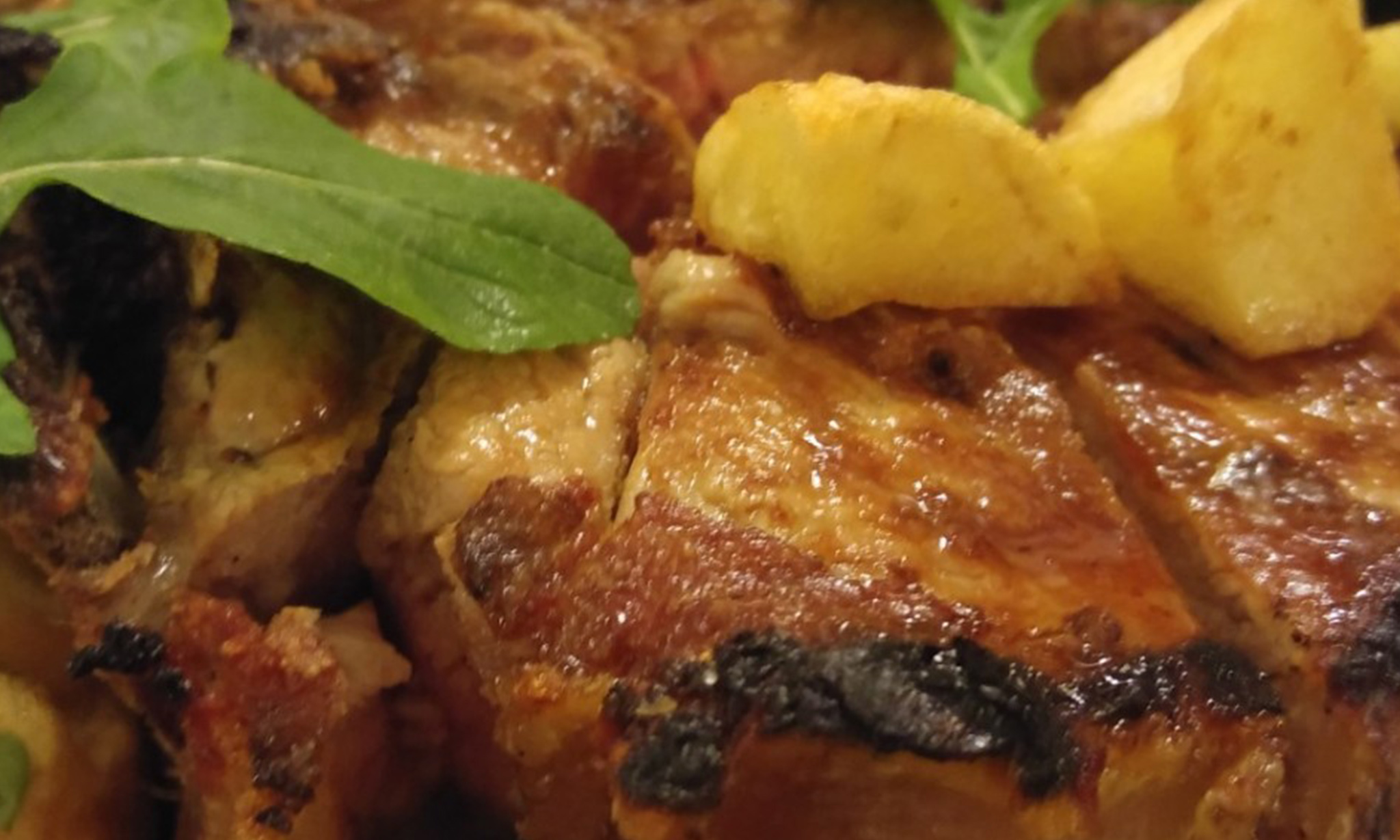
The perfect pairing is made with fegatelli, pig livers, roasted to loose fat and spread on fried bread as a paté. Rustic potatoes, white beans al fiasco, which means dried as in the past on the courtyards by farmer and stored in flasks, and wild herbs stirred in garlic and olive oil as side dishes complete the meal. Of course, pasta with ragù sauce, wild boar and rabbit are never missing. Last but not least, the dessert is an American cheese-cake, made with original soft cheese, easy to be found near the Camp Darby area, that casts a hint to the past when many soldiers uses to hang out the restaurant.
So, if you want to take a step into once-upon-a-time 1960s Tuscany and have a truthful Tuscan experience, search for real, authentic places, that are rich in stories and anecdotes of the past, despite their rustic appearance. Let yourself be bewitched by the smell, the typical slang, the crackling of fire on the roaster and enjoy!